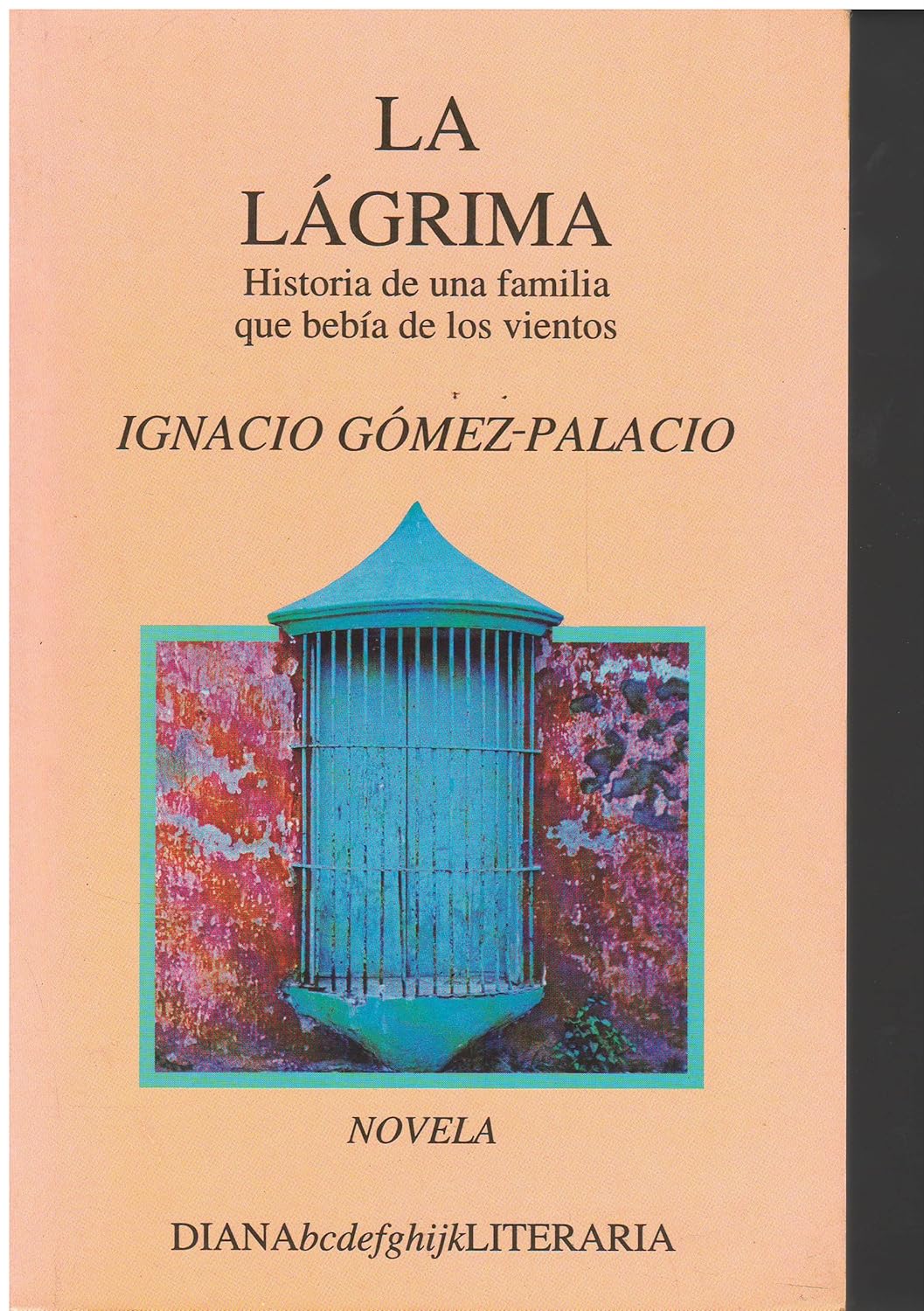
La Lágrima
Rights Sold
Description
Awards & Endorsements
Author(s)
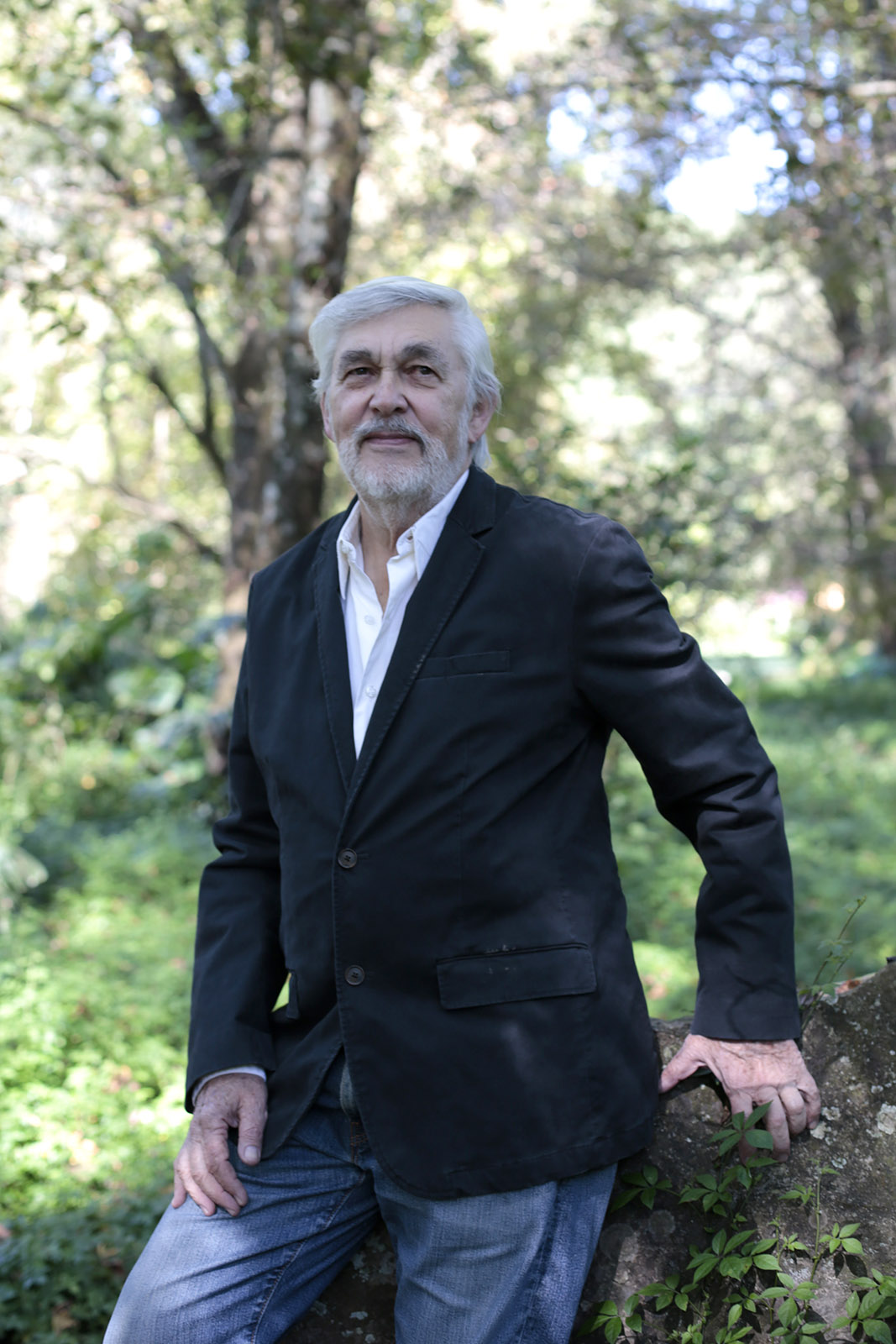
Ignacio Gómez-Palacio
Related Titles


| Publisher | Rancho El Sereno |
| Publication | Feb 03, 1997 |
| Format | Paperback/Softback |
| ISBN | 968-13-2988-0 |
| Pages | 510 |
| Age | 18 - 99 |
| Price | $20.00 |
La Lágrima
Family saga. Initiates with a Holy Synod, whose participants are imagines of Saint Isidor, property of the Garcia-Izurieta family. The collection includes Spanish, Indian, and mestizo saints (the three cultures present in Mexico). All search for a solution to the family's problems.
The Deacon (Saint Isidor of Oak ) recalls having arrived at Veracruz with Justino (28) in 1857. He is following his father and brother who search for gold, in a torrid Mexican zone. Justino is marked by his stealing a Bible (at the time, forbidden reading for Catholics), which leads him into an unusual relationship with God.
Justino, is named foreman of La Cangreja, a rice mill trapped in a canyon of infernal heat, mosquitoes and pests. After two years of solitude, to save a small salary. He goes insane. His father and brother manage to get him out of the mill and send him to the coast of the Pacific Ocean. On the way, he gets lost and is declared dead. After a magical/religious incident, he arrives sick in a town, in the State of Mexico, a cool zone. He recovers and meets a pair of intimate friends of marriageable age: Genoveva and Isabel. Justino receives word that his relatives have disappeared mine-hunting.
Justino marries Genoveva. Isabel hates him from the start. She is enormously jealous. Justino take Genoveva to live on a faraway ranch, also in a cool area. There, the couple begin their relationship with the Mazahua Indians and learns of the Spanish/Mazahua crosses that represent Jesus Christ and Satan.
Their first child is stillborn. The second is the same. The third birth is of stillborn triplets, and a small mole, shaped like a goat's head appear on Genoveva's abdomen. Genoveva's is Mestiza (granddaughter of a Mazahua servant). Justino suffers with his inability to fulfill his desire to be a great patriarch. An intimate relationship between Justino (the Spanish), Genoveva and Isabel (the Mestizas) and the Mazahuas brings about a cultural clash. Justino builds an enormous Countenance Cross next to their house, to attract God´s blessings. The gigantic cross is considered by the people in the area, to represent the family tragedy and tears, and name the place “Hacienda de la Lágrima” (translates as “tear”).
When Justino dies, he leaves a large patrimony and the importance of the family name. Descendants include a bishop, military, cock fighter, photographer/cinema projector, old single women and other characters such as the Holy Trinity of Four (two sets of siblings who are first cousins), who intermarry. Intermarriage becomes the family way. Their great concern is never to lose the family name, until fate obliges them to accept an outsider.
A spring, increases and reduces its flow in harmony with the sexual passions of the family. Throughout the novel sex is ever present as it represents a connection with prosperity and the building of the family name. Historical events are present. Also, a scorpion inv...
Reviews, Awards & Endorsements
Endorsements
Germán Dehesa, escritor, crítico literario y conductor de programa cultural radiofónico (Radio Red y Periódico Reforma): Gómez-Palacio es un escritor de lujo... hombre de múltiples talentos… es compatriota ilustre…
Agustín Monsreal, escritor y tallerista: Gómez-Palacio conoce lo que es traer el hierro al rojo vivo de la escritura metido en la sangre, en los huesos... codiciarle sus pezones a la nodriza de la invención... ahí está Ignacio Gómez-Palacio hurgando en el morral bravo de su alma para exprimirse esos cuentos afanosamente bien cuidados y espléndidos de RAIZAL, el libro con el que saltó las primeras trancas, y más tarde... para fundar la recia casta de los García Izurieta y brindar origen a LA LÁGRIMA... contundente familia de cruces y apóstoles y rosarios de siete misterios… emparentados con milagros, brotes de Mamantiales prodigiosos, plagas legendarias... para escarbar... en el país y mostrar las transformaciones y contradicciones de un México que se convulsiona a cada rato, ora por cuestiones de la tierra, ora por las cosas de Dios, ora por los asuntos de los hombres; la entraña humana y la entraña de la nacionalidad y la entraña religiosa puestas a la vista de quien las quiera ver, de quien les quiera poner el dedo sobre la herida, de quien quiera reconocerse en ellas, que para eso está, para que nos identifiquemos en la claridad o en la sombra que nos toca, ahí todo eso expresado con la mente abierta y la voz precisa, la capacidad para sostener enhiesto el vigor de la narración, los vuelos a cumbre de la historia, la congruencia sin fisuras de los personajes, los ambientes, de las hablas rebuscadas o simples de los santos contadores, de españoles y mexicanos, indios y mestizos, cultos o ni siquiera letrados, ahí todo está en LA LÁGRIMA, esa novela que Ignacio Gómez-Palacio trabajó con la mejor parte de su vida...
Hernán Lara Zavala, Director de Literatura UNAM: La originalidad de la novela se basa en que la anécdota se narra a través de San Isidro Labrador, que irá contándonos la historia a través de muchas voces, pues la múltiple iconografía de San Isidro se irá arrebatando la palabra para contarnos la historia desde diversas perspectivas, invocando a los muchos personajes en distintas épocas y con diferentes tonos y acentos.... En el largo transcurso de la novela suceden…. cosas extraordinarias, desde El Milagro de la Cuesta y la aparición de La Cangreja hasta la exorcización de la infertilidad de Genoveva mediante la construcción de una cruz mazahua de enormes dimensiones. Se trata de una novela ambiciosa, imaginativa, audaz que recrea la historia del país a la par que nos cuenta cómo se forma una familia cuyo carácter profundamente religioso no está reñido con ese otro de carácter trágico y lleno de heroísmos y ensoñaciones.
Eugenio Aguirre. Escritor y Director de Literatura, en la Sociedad General de Escritores de México: LA LÁGRIMA nos cuenta el acontecer de la vida de los fundadores de una estirpe q...
Author